Hi, I’m Stephanie. I’m a research-driven UX designer focused on complex systems. I lead discovery research, define mental models, and translate insights into scalable product solutions.
I’m passionate about improving quality of life through clean, easy-to-use design. I believe we should spend less time on our devices, and more time outside (or doing whatever brings you joy). I lived in Colorado for eight years, and it showed me how restorative unplugged outdoor time can be. (The picture is one I took on a hike in Vail, Colorado.)
Looking For More Definition: What’s Considered To Be An “Event” To A Clinician?
PROBLEM: The electronic health record organizes information around disconnected documents. Users are forced to piece together context at critical moments of care.
CHALLENGE: Redefine how documentation is structured to better align with clinicians’ mental models, without redesigning the entire system overnight.
IMPACT: Defined a core concept of a “care event” as a new organizing principle. This term is now a shared language when discussing healthcare journeys and directly informed a feature to connect resulting documentation, an incremental step toward event-centric architecture.
Interoperability: Increasing Transparency
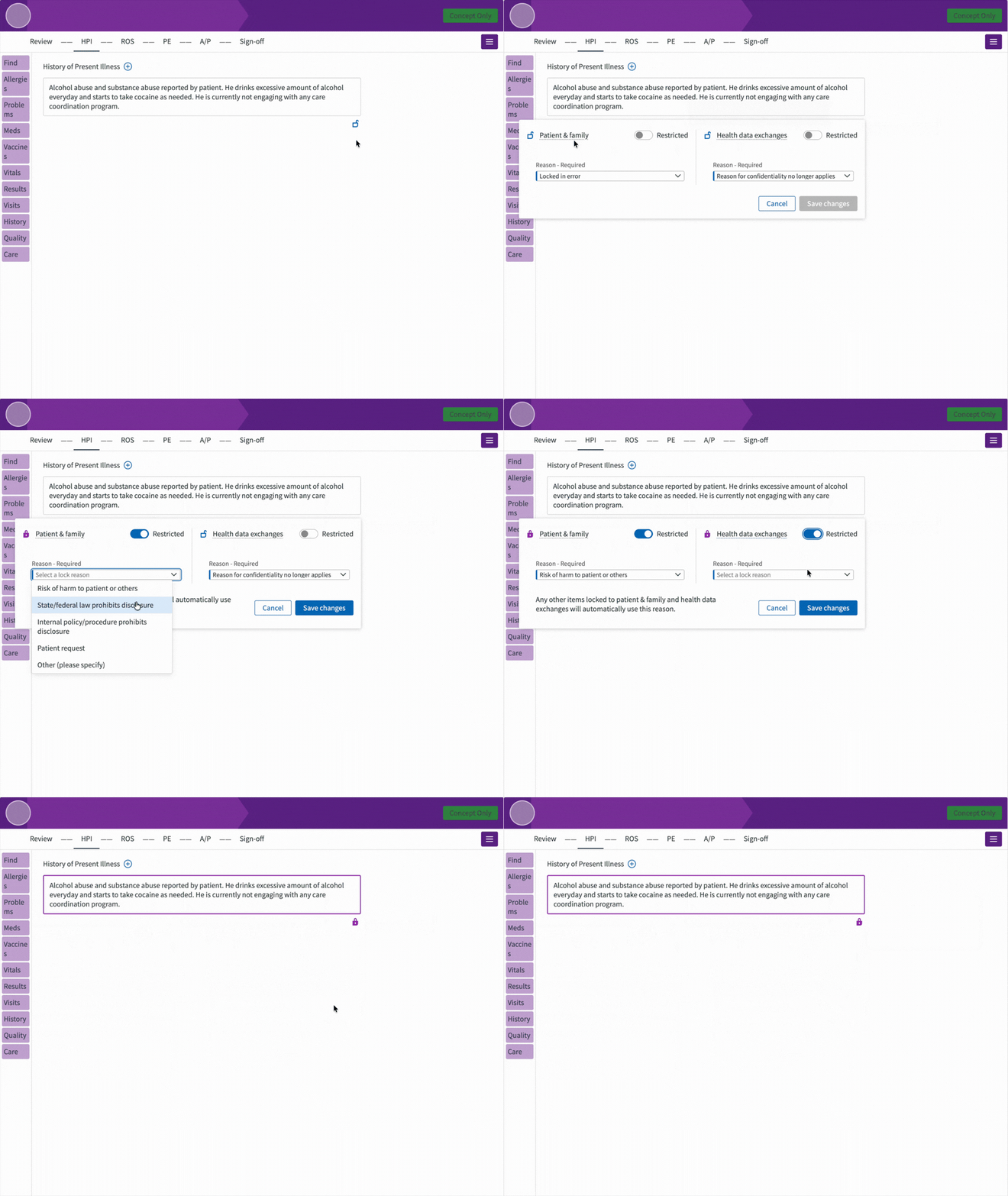
PROBLEM: The existing document labeling system made it difficult for healthcare providers to determine a document's contents without opening it—and opening it meant permanently adding it to the patient record.
CHALLENGE: Give clinicians visibility and control without disrupting established clinical workflows or requiring a complete system overhaul.
Enhancing Patient Safety Through Better UX: Redesigning the Vitals View for Operative Nurses
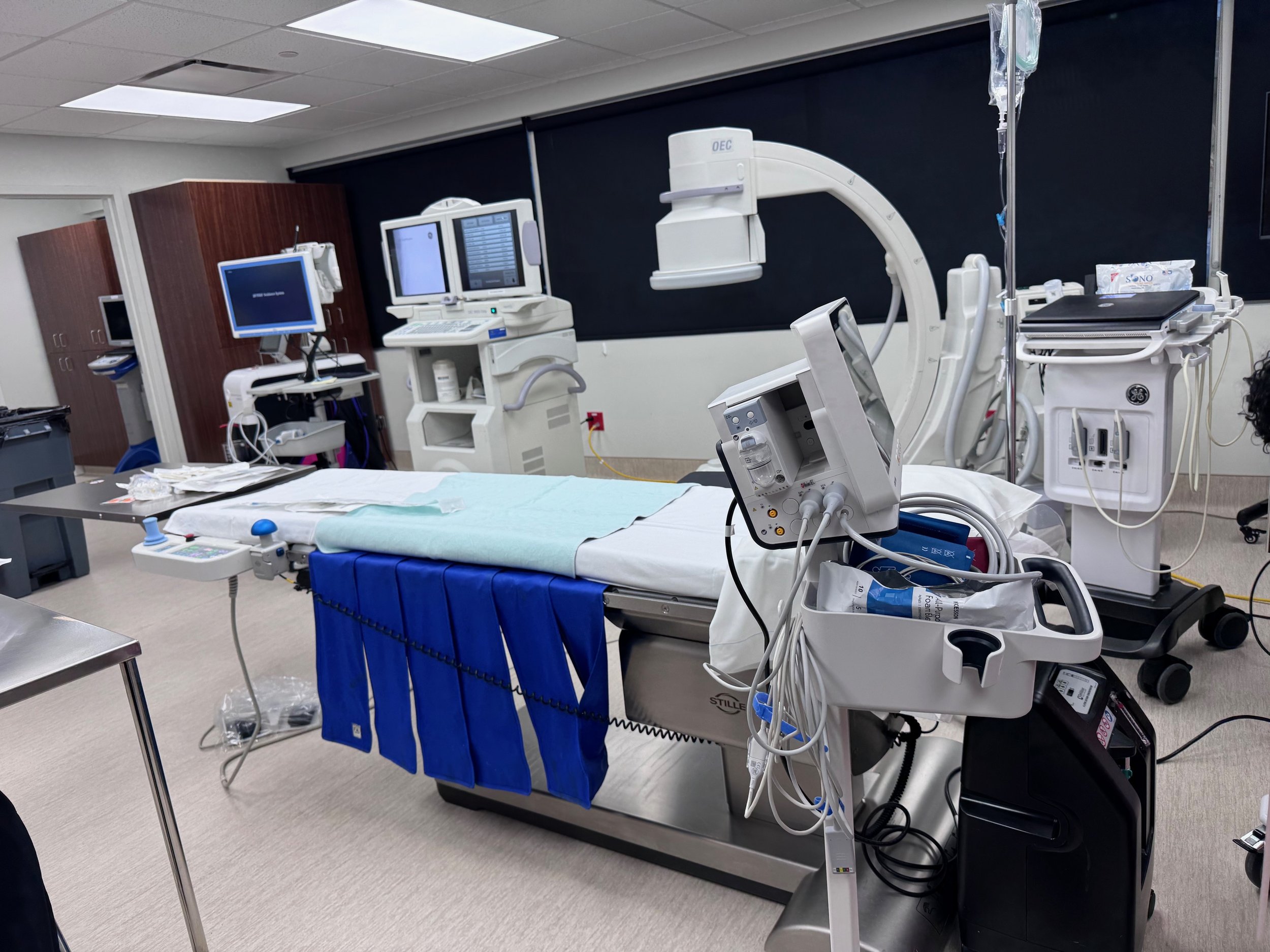
PROBLEM: Nurses in outpatient surgery centers need a reliable, simple vitals recording system to make clinical decisions without compromising patient care.
CHALLENGE: Design a solution that improves how clinicians access and interpret vitals data. The information they needed was in multiple places, making it hard to enter it all and make decisions with.
IMPACT: I reduced risk of documentation and interpretation errors by removing cross-workflow navigation and standardizing vitals formatting across stages.